Fire does not await best problems. When an alarm appears, the people who stand up to work with the action are wardens and primary wardens, and their training forms what occurs next. The PUAFER005 course, officially labelled Operate as part of an emergency control organisation, gives workers the capacity to serve as efficient wardens. Paired with PUAFER006 Lead an emergency control organisation for chief wardens and replacements, these country wide recognised units rest at the heart of a practical emergency monitoring structure in Australian workplaces.
I have educated wardens in offices, manufacturing plants, health centers, colleges, and logistics centers. The concepts remain consistent, but the application differs with layout, owner account, and risk account. The aim below is to address the inquiries individuals frequently inquire about PUAFER005 and, where relevant, PUAFER006, while sharing the context that aids you select the ideal shipment mode, get ready for evaluation, and obtain your accreditation sorted without surprises.
What PUAFER005 covers in genuine terms
PUAFER005 has to do with skills throughout the first critical minutes of an emergency. That starts with knowing your role in the Emergency situation Control Organisation, normally called the ECO. The ECO structure prevails throughout Australian offices, lined up to AS 3745 Planning for emergencies in centers, and it normally includes a chief warden, replacement principal wardens, communications officers, and location or flooring wardens. The unit focuses on the warden functions as opposed to the leader duty, which is the domain of PUAFER006.

Participants learn how to recognise and report emergency situations, raise alarm systems, execute evacuation treatments, and help with particular resident demands. The emphasis is not on heroics, it is on regular activities that save time and decrease confusion. You find out how to sweep a location, how to manage stairwells, when to isolate power or plant, and exactly how to communicate with the chief warden plainly under pressure. Real value comes from drilling these activities up until they really feel routine, since genuine occurrences really feel anything but routine.
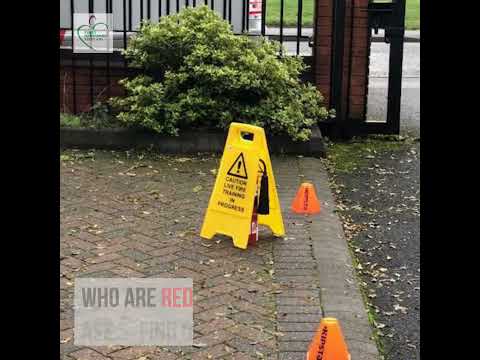
A recurring question arises regarding tools usage. Wardens are not trained as firemans. The program covers first attack fire tools at an understanding level. RTOs may provide fire extinguisher training as an adjunct or a different unit. I advise including a functional extinguisher component when the facility has danger of incipient fires, such as little electrical or kitchen fires, however it ought to never ever jeopardize the prime responsibility to raise the alarm and evacuate safely.
Who needs it, and just how commonly to refresh
Any office that operates under AS 3745 must have an ECO, which ECO needs trained participants. If you are asked to be a fire warden or a replacement, PUAFER005 is the baseline. In greater threat atmospheres, centers usually need a lot more comprehensive training or incorporate PUAFER005 with site-specific components that deal with unsafe chemicals, facility plant closure, or high passenger loads.
Refreshers issue. Individuals forget, groups alter, and buildings advance. Many organisations set a refresher cycle of 1 to 2 years for wardens and 1 year for primary wardens. The common calls for normal training and emergency situation reaction exercises as opposed to a repaired duration, however in technique, an annual drill plus an official refresher course every 12 to 24 months maintains abilities current and shows due persistance. After we ran 2 back-to-back evacuations in a skyscraper as a result of false alarms, the structure manager changed to a yearly refresher course due to the fact that it sharpened the ECO's control and lowered discharge time by almost 3 mins floor to assembly.
Duration: the length of time the PUAFER005 course takes
Expect 3 to 6 hours for PUAFER005, consisting of assessment. The spread relies on distribution setting, team dimension, and how much site-specific material is folded in.
Shorter sessions, around half a day, usually suit low complexity websites with straightforward emptying courses and compliant emergency strategies. Longer sessions add richer scenario job, risk recognition walk-throughs, and interaction drills. If you are integrating PUAFER005 with extinguisher technique, include 45 to 90 mins to allow secure live-fire or simulator usage and correct coaching.
PUAFER006, aimed at chief wardens and deputies, normally takes 4 to 7 hours. The extra time covers decision-making under unpredictability, liaison with emergency situation solutions, occurrence logging, interaction methods, and management during disruptions like lift faults or obstructed egress.
Some RTOs provide combined styles, Click here where concept is finished online and useful evaluation runs onsite. This can reduce the moment away from workstations while maintaining hands-on components. Blended layouts work well for multi-site organisations that want consistency in web content yet must tailor the sensible section to every building.
Cost: what you ought to budget
For public courses, PUAFER005 commonly beings in the AUD 120 to 220 variety each. Private group bookings scale in a different way. Budget plan around AUD 800 to 2,500 for a half-day team session depending upon traveling, group dimension, and customisation. Adding extinguisher training or bespoke situations bumps prices. The costs for onsite training is usually justified by much better transfer of knowing, since the practicals run in the hallways, stairwells, and setting up areas your group will use in a genuine event.
PUAFER006 prices is generally somewhat greater provided the added intricacy, usually AUD 150 to 300 for public programs or proportionally a lot more for exclusive sessions. If you see rates much below these arrays, ask what is included, exactly how evaluation takes place, and whether the RTO is effectively signed up to provide the unit of competency.
A slim factor on value: the most inexpensive option is not constantly more affordable. After an event, insurers and regulatory authorities will seek evidence of an operating ECO, records of training, and exercise end results. A carrier that documents attendance, analysis results, and drill monitorings will certainly conserve you time if you need to show compliance.
Entry needs and sensible adjustments
There are no formal scholastic prerequisites for PUAFER005. Individuals require the physical ability to relocate via a center and the interaction skills to provide and receive guidelines under stress. That claimed, practical modifications can fit several demands. In a warehouse where we had a warden with minimal wheelchair, we designated them to the communications duty and kept them in the control factor during evacuations. They stood out at tracking resident counts and taking care of radio website traffic, and we documented the role allotment to please the performance criteria.
Language, proficiency, and numeracy requirements are practical as opposed to technical. You must be able to check out signage, translate a layout, and make use of a walkie-talkie or phone succinctly. If English is a 2nd language, a good trainer will certainly permit additional time, deal visual triggers, and use plain speech without compromising the evaluation standard.
Assessment: what you will really do
Assessment for PUAFER005 is expertise based. It consists of a knowledge component and a functional demonstration. The understanding portion usually involves short-answer inquiries or scenario-based motivates that cover alarm system kinds, ECO functions, discharge methods, interaction methods, and hazards such as smoke spread and stairwell blockage. It needs to not feel like an academic exam, but it will evaluate whether you can recall and use the essentials.
The useful component matters extra. Anticipate to execute a move of a marked location, report to the chief warden, handle a blocked leave situation, and help a simulated resident with specific needs such as movement or hearing impairment. You will use boom boxes or a phone tree, run under time pressure, and adapt as the circumstance advances. The assessor seeks compliance with treatments, tranquil interaction, and appropriate prioritisation. People occasionally over-focus on accumulating individual equipment prior to beginning a sweep. You learn to leave bags behind, grab a high-visibility warden identifier, and act.
For PUAFER006, the assessment includes control point coordination, logging choices, escalations, and intermediary with participating in fire staffs or security. Prospects lead warden groups, allocate jobs, take care of clashing records, and choose when to begin or modify evacuation.
Certification: what you obtain and how long it lasts
On effective completion of PUAFER005, you get a Declaration of Accomplishment for the device PUAFER005 Operate as part of an emergency control organisation from a Registered Training Organisation. This paper shows the unit code, your name, the RTO code, concern day, and any kind of co-delivered units. Many RTOs additionally release a budget card or digital badge for comfort, however the Declaration of Attainment is the official record.
There is no national expiration day affixed to the unit. Companies and facility supervisors set refresh intervals through their emergency situation preparing procedures. As a rule of thumb, keep your training within the past 2 years for wardens and one year for primary wardens. If your website changes significantly, such as a new fit-out, different renter mix, or a relocate to a new structure, re-training and re-familiarisation needs to happen no matter dates.
Fire warden demands in the workplace
An operating ECO does not happen by mishap. Visits ought to be formal, with function descriptions, alternates for lacks, and insurance coverage throughout all inhabited locations and changes. Daytime workplace towers can lean on volunteer wardens attracted from flooring populaces, while 24-hour facilities such as health centers and information centers must prepare for continuous protection, consisting of evenings and weekends.
Documentation underpins compliance. Keep a current list of wardens and primary wardens, floor plans with zones, setting up locations, and sanctuaries, records of training and drills, and a routine for workouts. Many organisations run at puafer005 operate as part of an emergency control organisation least two emptying exercises a year, one complete discharge and one desktop computer or partial exercise, to keep the ECO sharp without over-disrupting operations.
The cultural side matters as a lot. Wardens need assistance to implement no-lift plans during emptyings, difficulty risky practices like propping fire doors, and preserve clear egress paths. Elderly leaders established the tone by attending drills and recommending the ECO's instructions.
Fire warden training requirements and content detail
Good fire warden training is functional and site-aware. Generic slides alone do not prepare people for a blocked stairwell. Training should go through:
- Your alarm system's tones and voice messages, including any type of presented emptying logic. Primary and secondary egress courses, plus how to take care of compromised routes. Communication tools, such as walkie-talkies, interior phone systems, or public address. Special threats, like laboratories, battery rooms, kitchen areas, or oxygen storage. Occupant support demands, including pal systems for movement, vision, or hearing assistance.
This checklist is brief for clarity here, but in practice, you will map it to your structure and run a situation that compels options. A memorable example involved a skyscraper with 2 scissor staircases. We simulated smoke in one. The warden group needed to reverse instructions and reroute owners mid-flow. The chief warden made use of the to advise floorings in phases, preventing congestion. After that, the structure management readjusted signage and educated an alternative marshalling prepare for that particular failing mode.
Warden identifiers, hats, and the inquiry of colour
People typically ask about fire warden hat colour and what colour helmet a chief warden must put on. In Australia, the convention stemmed from AS 3745 is that wardens put on red recognition, commonly a red headgear or cap and a red high-visibility vest. Chief wardens wear white identifiers, such as a white helmet or vest. Communications police officers are typically yellow. Deputy primary wardens often use white with a red stripe or a label indicating the role. Inspect your website strategy, since some organisations make use of caps and vests instead of hard headgears, particularly in workplace environments.
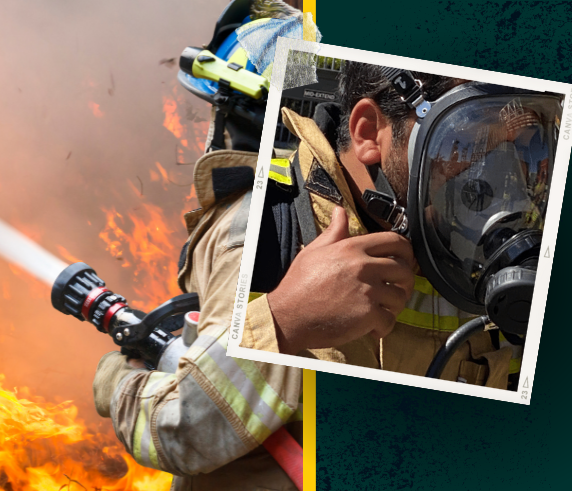
The point is exposure and function recognition, not tradition. If a firefighter shows up in turnout gear, they will seek the chief warden quickly. A plain white chief warden hat or vest classified clearly saves seconds. In low-light situations or big groups, visibility strips on vests and door hangers for left areas make life easier.
PUAFER005 versus PUAFER006, and when to take each
If you act as a location or flooring warden, PUAFER005 is your course. It prepares you to carry out the plan, assistance passengers, and feed details to the control factor. If you lead the ECO as chief warden or deputy, PUAFER006 is the correct unit. Numerous primary wardens total both: PUAFER005 to internalise the warden point of view, and PUAFER006 to find out leadership, control, and decision-making under pressure. In multi-building websites, chief wardens may likewise obtain extra training on combination with safety and security control spaces, developing monitoring systems, and hydrant or lawn sprinkler isolation procedures, though those topics rest past the official unit outcomes.
Delivery layouts: onsite, public, and blended
Public programs fit people from smaller sized workplaces or those replacing a solitary warden. The benefit is predictable organizing and lower per-person expense. The gap is that practicals occur in a generic training room as opposed to your site.
Onsite programs, supplied by an RTO at your facility, give the most effective discovering transfer. Wardens method on your floorings, utilize your radios, and walk your stairwells. The trainer can incorporate your emergency strategy, your structure's alarm system signs, and your assembly factors. The ECO reaches work together, which exposes spaces you can repair promptly. The trade-off is the need to block time for multiple team and collaborate with occupants if you share space.
Blended formats split theory from technique. Participants total online components covering interpretations, roles, and general treatments, after that go to a short sensible at the website. This decreases downtime and maintains the sensible concentrated. It works well once a year for refresher courses, with a full onsite session every second cycle to bring new staff totally into the fold.
What a great useful session really feels like
A qualified trainer will certainly set up a scenario that really feels a little uncomfortable however risk-free. Radios will certainly snap with insufficient information. A lift button will certainly be taped off to compel stairway use. Someone will play the duty of a baffled visitor who intends to get a bag. The chief warden will have to choose in between waiting on even more info and starting an organized discharge. Afterward, there must be a debrief. That is where the learning lands. We note what worked, what was sluggish, and what will alter in the plan. If your practicals do not include debriefs, you are missing out on half the value.
Common mistakes and just how to stay clear of them
New wardens frequently try to fix troubles solo. The much better method is to report early, rise emerging issues, and preserve your very own security. Another usual mistake is incomplete sweeps, specifically in shower rooms, stockrooms, or additional conference room. An easy method assists: touch each doorframe with the rear of your hand when you examine within, after that hang a typical door tag that suggests the location is clear. Lastly, interaction discipline matters. Use short transmissions, confirm important messages, and avoid babble. If you are the chief warden, keep a log also if it is rough. It assists throughout the incident and during the review.
Integrating special threats and occupants
Every center has peculiarities. A construction plant may need procedure cards for isolating machinery mid-cycle. A medical facility should coordinate with medical groups to postpone or series evacuations based upon individual skill. A college might have several setting up factors and lockdown choices depending on the hazard. Your PUAFER005 or PUAFER006 course need to touch these truths, also if they sit a little outside the generic device material. The best instructors invite site agents to co-facilitate those components, guaranteeing precision and neighborhood ownership.
Support for owners who require help ought to not be ad hoc. Buddy systems, sanctuary factors, discharge sleds for stairwells, and interaction boards or applications for hearing-impaired owners all call for prep work and technique. During one drill in a mixed-use structure, we became aware the evacuation sled was stored behind a keypad door that not all wardens can open up. We dealt with accessibility, added a 2nd sled on the contrary side of the core, and updated duty cards so the nearest warden ordered it throughout sweeps.
Records, conformity, and what auditors look for
Keep three points in order: present strategies, training records, and workout results. Plans should reflect real layouts, with exact flooring numbering, renter names, and upgraded assembly locations. Training documents need to list that finished which device and when, including PUAFER005 for wardens and PUAFER006 for primary wardens, plus any extinguisher training. Workout results must capture times, issues, corrective activities, and duties. When a regulatory authority or insurance provider testimonials your configuration, clear documents reduce questions and show that the ECO is not simply a list of names on a wall chart.
Where extinguishers fit, and when to make use of them
First assault fire fighting is a subject that is worthy of regard. The best default continues to be alarm system, evacuate, and only after that consider dealing with a little, included fire if you are trained and it is secure to do so. Extinguisher selection must match the fire class. As an example, do not make use of water on an electrical or combustible fluid fire. Lots of offices select to integrate live-fire training with water and foam on controlled pans, and use laser or CO2 simulators for electric fires inside. Practical extinguisher drilling constructs confidence, however it ought to never ever jeopardize evacuation priorities or send out inexperienced staff into smoke.
The chief warden hat, obligations, and training path
Chief wardens lug the burden of coordination. Using the white chief warden hat or vest is symbolic, however the obligations behind it are concrete: obtain and validate alarm system details, decide evacuation extent and timing, inform emergency situation solutions, manage interactions to flooring wardens and owners, screen progression, and adapt when conditions alter. PUAFER006 formalises these jobs and gives a framework for decision-making under stress. Chief fire warden duties also include post-incident evaluations, strategy updates, and guaranteeing the ECO remains staffed and educated. Some organisations assign a chief emergency warden with broader remit throughout numerous hazards, not simply fire, which still straightens with the unit's intent but increases the planning horizon.
If you are considering the chief warden function, full PUAFER005 initially if you lack warden experience, after that PUAFER006. Shadow the present chief warden during drills, and technique running desktop computer simulations. A positive chief warden steadies the whole building.
Scheduling, shift coverage, and keeping momentum
Workplaces with revolving shifts need to intend ECO insurance coverage across the week, not simply 9 to 5. This can need added wardens on evening and weekend break lineups. In logistics and manufacturing, we usually set a quarterly mini-drill at shift handover to validate who is on obligation, radios are charged, and setting up location lights functions. Little touches like charging cradles near the control factor and laminated quick-cards in warden kits settle throughout genuine incidents.
How to select a training provider
Pick an RTO with a track record in your sector. Inquire about trainer experience, not just the certificate. Trainers that have actually run large evacuations or worked as facility managers bring nuance you will certainly not obtain from slides. Ask how they tailor to your strategy, what practicals they run, exactly how they analyze communication abilities, and exactly how they record outcomes. If you require both PUAFER005 and PUAFER006, confirm they can supply a combined session for mixed duties while still analyzing each unit appropriately. Lastly, inspect that they deal with fire warden requirements in the workplace according to AS 3745, and that they can speak to chief warden responsibilities beyond the bare minimum.
A brief, useful list for obtaining started
- Confirm your ECO framework and role protection throughout all floors and shifts. Book PUAFER005 for wardens and PUAFER006 for primary wardens or deputies. Update your emergency plan, floor plans, and contact trees before training. Arrange radios, identifiers, and accessibility to control factors for the practical. Schedule a follow-up drill within 3 months to bed in abilities and take care of gaps.
Final ideas from the training floor
Wardens are volunteers in lots of offices, but their activities carry expert weight. The PUAFER005 course transforms eager team into qualified -responders that recognize exactly how to move individuals safely. The PUAFER006 course gears up leaders to make prompt options and keep details flowing. Get the structures right: select suitable period and shipment, budget for quality, examine honestly, and maintain accreditation through routine refreshers. The remainder is repetition, review, and small enhancements that build up. When the alarm system appears for real, you will rejoice for every minute you invested in preparation.
Take your leadership in workplace safety to the next level with the nationally recognised PUAFER006 Chief Warden Training. Designed for Chief and Deputy Fire Wardens, this face-to-face 3-hour course teaches critical skills: coordinating evacuations, leading a warden team, making decisions under pressure, and liaising with emergency services. Course cost is generally AUD $130 per person for public sessions. Held in multiple locations including Brisbane CBD (Queen Street), North Hobart, Adelaide, and more across Queensland such as Gold Coast, Sunshine Coast, Toowoomba, Cairns, Ipswich, Logan, Chermside, etc.
If you’ve been appointed as a Chief or Deputy Fire Warden at your workplace, the PUAFER006 – Chief Warden Training is designed to give you the confidence and skills to take charge when it matters most. This nationally accredited course goes beyond the basics of emergency response, teaching you how to coordinate evacuations, lead and direct your warden team, make quick decisions under pressure, and effectively communicate with emergency services. Delivered face-to-face in just 3 hours, the training is practical, engaging, and focused on real-world workplace scenarios. You’ll walk away knowing exactly what to do when an emergency unfolds—and you’ll receive your certificate the same day you complete the course. With training available across Australia—including Brisbane CBD (Queen Street), North Hobart, Adelaide, Gold Coast, Sunshine Coast, Toowoomba, Cairns, Ipswich, Logan, Chermside and more—it’s easy to find a location near you. At just $130 per person, this course is an affordable way to make sure your workplace is compliant with safety requirements while also giving you peace of mind that you can step up and lead when it counts.